

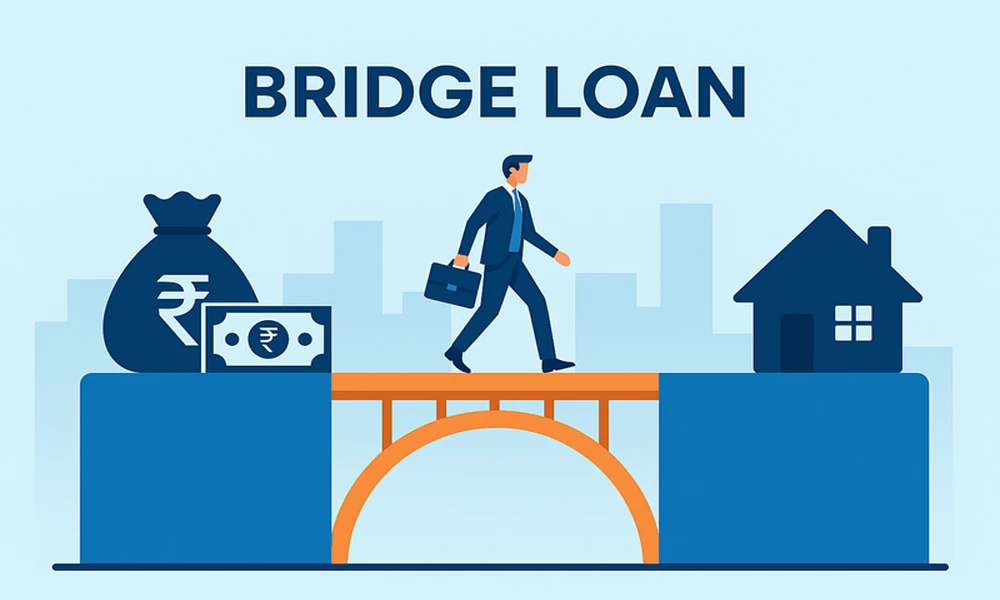
A Singapore bridging loan is built around a single problem, you have committed to buying something before the funds from what you are selling have arrived. In property transactions, this gap is common and consequential. A buyer who has exchanged contracts on a new home but not yet completed the sale of a current property faces a timing mismatch that can run to weeks or months. The bridging loan fills that interval, providing the capital to proceed with the purchase while the sale works its way to completion.
The same gap appears outside property. A business that has invoiced a major client but must meet supplier payments before the invoice settles faces the same problem. The bridging loan’s defining characteristic is that it is short-term by design, intended to be repaid when the expected funds arrive rather than amortised across years like a conventional loan.
How a Bridging Loan Works
A lender extends a lump sum for a defined short period, typically between one month and twelve months, at an interest rate reflecting the short-term nature of the facility. Repayment is usually structured as a bullet payment at the end of the term, timed to coincide with receipt of the expected funds. Some lenders offer monthly interest payments during the term, with principal repayment at maturity.
The interest rate on a bridging loan is typically higher than on a long-term mortgage, because the lender is providing capital quickly for a short, defined purpose. The total interest cost remains modest in absolute terms: a loan held for two months at a higher rate still costs far less overall than one amortised across many years, because the tenure is so much shorter.
When a Singapore Bridging Loan Is the Right Tool
A bridging loan Singapore borrowers rely on most frequently is the property purchase bridge. A buyer who has received an option to purchase on a new property, but whose current home has not yet been sold, needs capital for the downpayment and stamp duty before the option expires. The bridging loan provides that capital and is repaid from the sale proceeds once completion occurs.
Beyond property, bridging loans serve scenarios where timing rather than creditworthiness is the primary issue. A business awaiting payment on a large invoice may use a bridging facility to meet payroll or purchase materials. An individual awaiting a CPF withdrawal or the release of a fixed deposit may use a short-term bridge to cover an immediate obligation. In all these cases, the key feature is a clear and identified repayment source.
Eligibility and What Lenders Assess
Because a bridging loan is secured against a clearly identified repayment source, the eligibility criteria differ from those of an unsecured personal loan. The lender wants to understand the source and timeline of the incoming funds, when the property is expected to complete, when the invoice will settle, or when the CPF release will occur. The stronger and more certain that repayment source, the more straightforward the approval.
“To be successful, Singapore must remain a place of order and reliability,” said Lee Kuan Yew, a principle that extends directly to the financial sector. Bridging loans function precisely because the legal and transactional frameworks around property sales and business contracts in Singapore create predictable, enforceable timelines that lenders can underwrite with confidence.
Where to Get a Bridging Loan in Singapore
A Singapore bridging loan is available from banks, finance companies, and licensed moneylenders. Banks typically offer lower rates but require more documentation and longer approval timelines. Licensed moneylenders can approve and disburse bridging facilities faster, which is a practical advantage when an option expiry date does not allow for a weeks-long bank review process.
When selecting a provider, compare the interest rate, the processing fee, the total cost for the expected term, and any penalties for early repayment. A bridging loan settled ahead of schedule, because the sale completes early, should cost less than one held to its full term. Confirm this before signing.
Managing the Risks
The primary risk of a bridging loan is that the expected repayment does not arrive when anticipated. A property sale that falls through, an invoice that is disputed, or a CPF release that is delayed can all leave the loan term expiring before the repayment source materialises. This is not a theoretical risk. It is the scenario borrowers must plan for before drawing down the facility.
Practical risk management for a bridging loan includes:
- Confirming the sale or repayment timeline in writing before applying
- Choosing a loan term that includes a buffer beyond the expected completion date
- Understanding the lender’s extension or rollover policy if the term needs to lengthen
- Identifying a secondary repayment source in case the primary one is delayed
- Drawing down only the minimum needed to cover the immediate obligation
Repayment and Exit Planning
Exit planning is the aspect of a Singapore bridging loan that most borrowers underweight. The draw-down is straightforward. The repayment requires co-ordination with the conveyancing solicitor, the property buyer, and the lender to ensure the facility is settled from the correct proceeds at the correct time. Establishing this process before the loan is signed reduces friction when the funds finally arrive.
Timing mismatches in property and financial transactions are not exceptional events. They are features of how these markets operate, and the tools that manage them are well-established. Understanding when a bridging loan fits the situation, what it costs, and how it will be repaid separates a facility that works smoothly from one that creates additional pressure. For borrowers in Singapore who need immediate capital against an identified incoming receipt, a Singapore bridging loan remains one of the most targeted and efficient funding tools available.