

The Myth: One Method Is Always Better
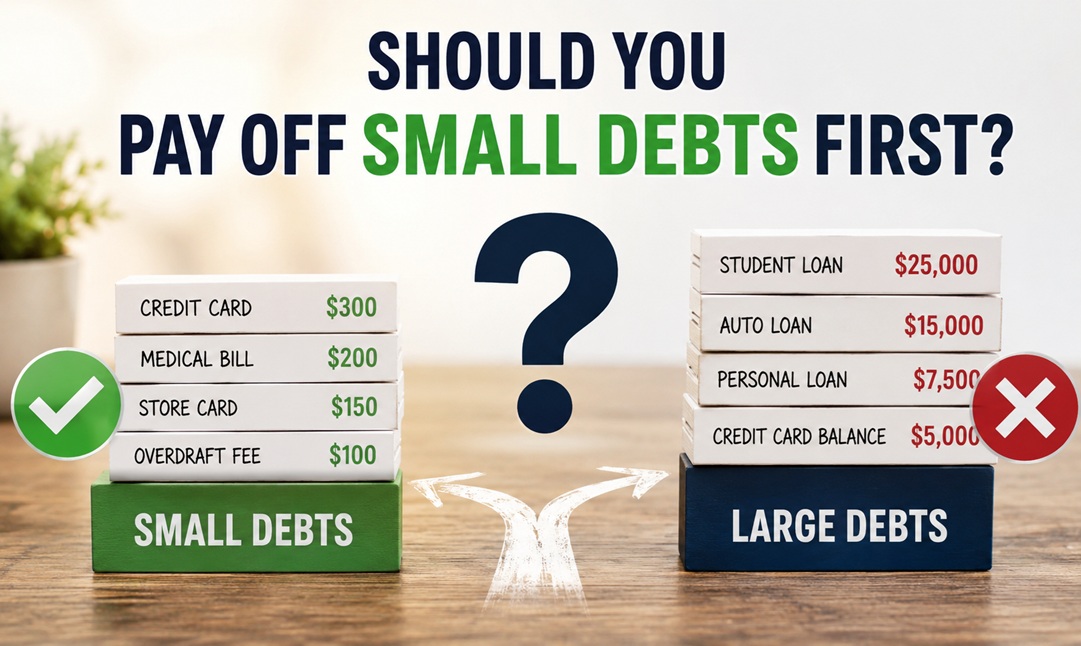
Personal finance books often fight over this. Snowball versus avalanche. Small debts first versus highest interest first. The framing suggests there is a universally correct answer. There is not.
The right method depends on how you actually behave, not how a spreadsheet says you should.
The Reality of the Debt Snowball
The snowball method means you pay minimums on all your debts, then put every extra dollar toward your smallest balance first. Once that is gone, you roll that payment into attacking the next smallest.
It works — not because it saves the most money, but because clearing a debt feels good. That win creates momentum. Research in behavioural economics consistently shows that people who use the snowball method are more likely to stick with their repayment plan long enough to finish it.
If you have ever abandoned a debt repayment plan halfway through, the snowball approach may be the reason you succeed this time.
The Reality of the Debt Avalanche
The avalanche method directs extra money at your highest-interest-rate debt first. Mathematically, this saves you the most in total interest paid.
The catch is that your highest-interest debt might also be your largest. You could spend 18 months making payments before you see a single account cleared. For many people, that is a long time to stay motivated without visible wins.
The avalanche is excellent for disciplined, patient people or for those whose high-interest debt is actually relatively small.
What the Numbers Look Like
Imagine you have three debts: a $400 store card at 28%, a $2,000 credit card at 22%, and a $6,000 personal loan at 11%.
Snowball order: $400 first, then $2,000, then $6,000.
Avalanche order: $400 first (already the highest rate), then $2,000, then $6,000.
In this case, both methods happen to be the same. That is common when your smallest debt is also your highest-rate debt. The real divergence comes when they are not the same account.
Practical Advice Worth Keeping
If you are struggling to stay motivated, use the snowball. The psychological benefit is real and well-documented.
If you are highly disciplined and your numbers show the avalanche saves you significantly — as in, hundreds or thousands of dollars — use the avalanche.
Some people use a hybrid: clear one quick win first, then switch to tackling the highest interest rate. There is no rule against that.
Whatever you choose, keep making minimum payments on everything. Missing a payment while aggressively paying off one debt costs more than the interest you were trying to avoid.